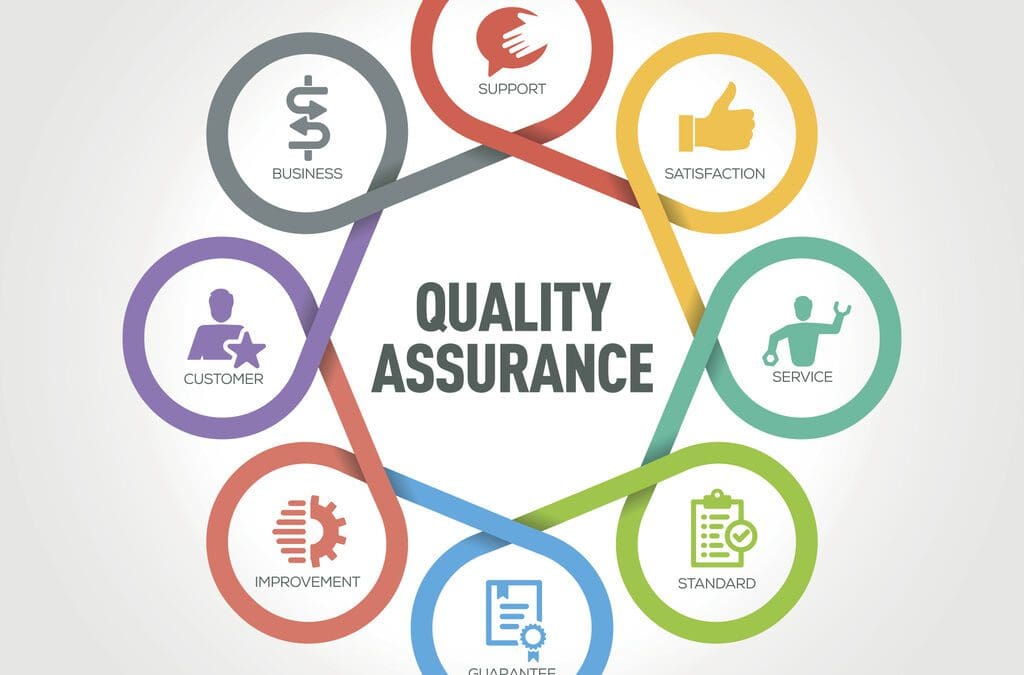
In a time where precision and consistency are the cornerstones of manufacturing quality, Statistical Process Control (SPC) stands out as a crucial tool. Rooted in statistics and information analysis, SPC provides manufacturers with a scientific approach to make sure quality and efficiency in their procedures. By keeping an eye on and managing production processes, SPC enables makers to attain and maintain premium requirements, necessary in today's competitive market.
SPC is quality control technique which utilizes analytical strategies to manage and monitor procedures. It is a help to making sure that the processes operate effectively, producing more specification-conforming items with much minimized waste of products. SPC can be adapted for use with any systems or process where the "conforming item" output can be determined. Key tools used in SPC include control charts, process capability analysis, and Style of Experiments.
Control charts, the heart of SPC, are graphs used to study how a process changes with time. They outline data in time order and assistance compare normal process variation and variation due to special causes. By determining these variations, makers can take restorative actions promptly before they result in defective products.
In automobile manufacturing, SPC assists in maintaining tight tolerances in engine parts production. Control charts keep an eye on elements like the size of pistons or the thickness of brake pads, guaranteeing each part satisfies strict quality requirements.
In the pharmaceutical industry, SPC is used to keep track of tablet weights or the pureness of components, making sure that every batch of medication is safe and effective for customers.
The food and beverage market utilizes SPC to keep track of temperatures, pH levels, and other important elements to ensure item consistency and safety.
SPC enables early detection of concerns, minimizing the occurrence of defects and guaranteeing high-quality output. By decreasing waste and revamp, SPC helps manufacturers cut costs substantially. SPC streamlines procedures by identifying inefficiencies, causing much faster production times and higher throughput.
SPC provides a quantitative basis for decision-making, leading to more efficient and effective management of producing processes. High-quality, consistent items result in higher consumer satisfaction and loyalty.
While the advantages of SPC are clear, its execution is not without difficulties. It requires a considerable investment in training and innovation. In addition, a culture shift towards data-driven decision-making is important for SPC to be effective. Resistance from employees, lack of management assistance, and inadequate understanding of analytical approaches can also position substantial barriers.
With improvements in technology, the scope of SPC is expanding. The integration of SPC with digital innovations like IoT (Web of Things) and AI (Synthetic Intelligence) is opening brand-new frontiers. Real-time data collection and analysis are becoming more sophisticated, allowing even more exact control over manufacturing procedures.
Statistical Process Control is more than a set of tools; it is a viewpoint of continuous improvement and commitment to quality. In the landscape of modern-day production, where quality and efficiency are not simply wanted but demanded, SPC stands as a pillar of functional quality. As industries continue to evolve, the concepts and practices of SPC will unquestionably continue to play an essential function in shaping the future of manufacturing.
In the realm of quality engineering, the Taguchi Methods have actually become a groundbreaking method, transforming item design and development. Developed by Japanese engineer and statistician, Mr Genichi Taguchi in the 50s, these techniques use an organized application of statistics and engineering to boost process and product quality. By concentrating on robust style and variance decrease, the Taguchi Methods have actually ended up being an indispensable tool in accomplishing functional quality and item reliability.
At the core of Taguchi's philosophy is the idea of designing products and procedures that are robust to environmental and use variations. Taguchi Methods utilize an unique technique to speculative style, focusing on optimizing the entire procedure and lowering variation instead of simply fixating mean efficiency. This method consists of strategies for creating experiments to study the impacts of numerous variables on the performance, reliability, and lifespan of products.
By recognizing and enhancing important consider the style stage, Taguchi Methods help in lowering manufacturing costs, waste, and remodel. These techniques focus on difference decrease, which causes greater consistency and reliability in items and procedures.
Taguchi Methods provide an organized technique to comprehend how different style variables impact item efficiency, resulting in more robust and user-friendly styles. By utilizing effective experimental styles, Taguchi Methods reduce the time and resources needed for research and development activities. The reliability and quality enhancements accomplished through these methods lead to higher client fulfillment and loyalty.
Taguchi's technique has actually been widely adopted in numerous industries. In the vehicle sector, for circumstances, business like Toyota Motors have made use of these techniques to improve the reliability and efficiency of their vehicles. In electronics producing, Taguchi Methods have actually been critical in optimizing product designs to stand up to environmental stress factors, thus lowering failure rates.
A notable example of the successful application of Taguchi Methods is seen in Sony's production process. Sony utilized these methods to significantly enhance the sound quality of its products while lowering manufacturing expenses. This not only enhanced item competitiveness however also established The Sony Corporation as a leader in quality and innovation.
Executing Taguchi Methods is not without challenges. It needs a strong understanding of data and a shift in the conventional approach to style and testing. Moreover, the success of these approaches hinges on precise recognition of critical factors and their interactions. However, with improvements in computational tools and software, the application of Taguchi Methods has actually ended up being more available and user-friendly.
As markets progress, the application of Taguchi Methods is broadening beyond traditional production. In fields such as biotechnology, health care, and renewable resource, these methods are being used to enhance processes and product styles, underscoring their adaptability and versatility.
The Taguchi Methods represent a paradigm shift in quality engineering, stressing the value of robust design and variation decrease. In a worldwide market where quality and dependability are paramount, these approaches provide a methodical method to attaining quality in item style and procedure optimization. As organizations continue to make every effort for innovation and quality in a progressively competitive environment, the principles and techniques of the Taguchi Methods are likely to play an important function in forming the future of quality engineering.
In the vital game of business commerce, remaining ahead of the competitors is not practically development, it's also about wise strategizing. Benchmarking versus competitors, a tactical procedure of comparing business processes and performance metrics, stands as a crucial tool for business aiming to gain an one-upmanship.
By methodically evaluating rivals' methods, services can recognize areas for improvement, adopt finest practices, and eventually enhance their own performance.
Benchmarking is the practice of measuring an organization's internal procedures, performances, products, or services versus those of essential competitors or market leaders. The goal is to gather information that will assist the organization recognize gaps in its own process performance, comprehend market standards, and set goals for enhancement.
Performance benchmarking is about comparing performance metrics such as speed, quality, and expense. Process benchmarking involves the evaluation of how competitors accomplish superior performance in particular locations. And, tactical benchmarking research studies how rivals formulate and perform tactical plans.
Begin by identifying which aspects of your operation to criteria. This could vary from general company strategies to particular procedures like customer support, production, or marketing.
Select competitors that are market leaders or direct competitors. It's vital to compare with organizations that matter and whose techniques and procedures deserve replicating.
Gather information through various channels like public records, market reports, client feedback, and industry analyses. In today's digital age, online resources use a wealth of data on competitor methods and performances.
Evaluate the gathered data to understand the competitors' strengths and weak points. Look for patterns, trends, and crucial factors that add to their success or failures.
Based upon the insights gained, set achievable goals for enhancement. These objectives ought to specify, measurable, achievable, appropriate, and time-bound (WISE). Create a comprehensive intend on how to reach these objectives. This might involve adopting new innovations, re-engineering processes, training staff members, or modifying business methods.
Put the strategy into action. This step requires dedication from all levels of the company and might necessitate substantial modifications in the company culture and operations. Continuously monitor the efficiency of the modifications and compare them against the set benchmarks. Be prepared to make adjustments as necessary to remain on track with your objectives.
Companies like Xerox and Ford have actually effectively executed benchmarking to dramatically enhance their company procedures and outcomes. Xerox, in the late 1970s, pioneered the practice of benchmarking by studying Japanese competitors, resulting in substantial enhancements in product quality and expense effectiveness.
Among the main obstacles in benchmarking is guaranteeing the accuracy and relevance of the data gathered. Additionally, there's the danger of focusing too much on rivals and forgeting the business's unique value proposal and strengths.
In an increasingly data-driven service environment, benchmarking is ending up being more sophisticated. The usage of huge data and analytics tools is making it possible for companies to gain deeper insights into competitor methods and efficiency, further boosting the effectiveness of benchmarking efforts.
Benchmarking against competitors is not almost imitation; it's about finding out, adjusting, and evolving. In today's vibrant organization landscape, it functions as a vital tool for business to evaluate their standing, find out from the finest, and strategically enhance their operations. As companies continue to browse the complexities of the marketplace, benchmarking stays a key strategy in the pursuit of excellence and competitive supremacy.
Within the vibrant arena of service, the Japanese approach of Kaizen, indicating "change for better," has become a buzzword associated with continuous enhancement and effectiveness. Rooted in post-WW 2 Japanese manufacturing, particularly the Toyota PS, Kaizen has actually progressed into an international phenomenon, going beyond cultural and organizational borders to redefine how services approach development and effectiveness.
Kaizen, a substance of two Japanese words, 'Kai' (modification) and 'Zen' (great), is all about making little, incremental modifications consistently to improve efficiency and quality. Unlike radical or top-down reforms, Kaizen encourages little, constant modifications carried out by the workers themselves. This approach fosters a culture of worker empowerment and engagement, as every worker is motivated to contribute concepts and improvements.
The essence of Kaizen lies in these fundamental concepts:
Highlighting collective efforts over specific contributions. Keeping a committed and disciplined labor force. Concentrating on worker complete satisfaction and engagement. Small groups working voluntarily to improve processes. And, motivating employees to contribute ideas for much better efficiency.
By constantly determining and eliminating inefficient practices, Kaizen causes significant enhancements in efficiency and operational performance. Kaizen's focus on progressive enhancement improves the quality of product or services, meeting and going beyond customer expectations.
Constant enhancement helps in reducing costs by improving processes, reducing waste, and optimizing resources. Kaizen promotes a favorable work culture by involving employees in decision-making procedures, leading to greater job complete satisfaction and inspiration. The incremental nature of Kaizen allows companies to adapt to modifications quickly, making them more resistant and competitive.
Kaizen has been successfully carried out in numerous sectors beyond production, consisting of health care, banking, and software development. Companies like Toyota and Ford have long accepted Kaizen, making it an integral part of their corporate culture and functional techniques.
A noteworthy example of Kaizen in action is seen at Toyota, where the approach is deeply deep-rooted in the business's culture. Toyota workers are motivated to identify issues and recommend enhancements, resulting in an ongoing, collective effort towards optimization and quality.
In spite of its advantages, implementing Kaizen can be tough. It requires a shift in organizational culture, highlighting continuous enhancement and employee involvement. Resistance to alter, lack of management dedication, and inadequate training can hinder the effective adoption of Kaizen practices.
In an age where flexibility and performance are key to service survival, Kaizen's concepts are more appropriate than ever. With improvements in innovation, organizations are discovering new ways to incorporate Kaizen into their operations, using digital tools and information analytics to identify enhancement locations more successfully.
Kaizen, with its focus on continuous improvement and employee empowerment, has shown to be a powerful strategy for organizations pursuing excellence in a competitive business environment. By embedding the Kaizen viewpoint into their culture, companies can foster a more engaged workforce, enhance functional efficiency, and accomplish sustainable growth. As business worldwide continue to browse the difficulties of the modern marketplace, Kaizen remains a vital tool for cultivating development, effectiveness, and continuous growth.
In the evolving landscape of modern company operations, Variation Risk Management (VRM) becomes a vital technique for navigating uncertainties and ensuring stability. This technique, concentrating on identifying, examining, and handling the variability in service procedures, helps organizations alleviate risks and take advantage of opportunities, leading the way for sustained development and competitiveness.
At its core, Variation Risk Management has to do with comprehending and managing the irregularity in procedures, products, and services that can affect service efficiency. This principle, drawing from the principles of statistical process control and quality management, allows companies to recognize prospective dangers and variations before they escalate into major problems.
By identifying and decreasing irregularity in company procedures, VRM improves total performance. Consistent procedures lead to predictable outcomes, decreasing mistakes and increasing productivity.
In manufacturing and production, Variation Risk Management plays a crucial function in making sure product quality. By managing variation, business can produce products that fulfill strict quality standards, increasing customer fulfillment and commitment.
VRM helps in recognizing and removing inefficient practices and inefficiencies, resulting in significant cost savings. Minimized variation means less flaws, less rework, and lower operational expenses.
Constant quality and dependable service, results of reliable VRM, lead to higher customer complete satisfaction. This not just reinforces brand name track record but also enhances client retention.
By proactively recognizing potential dangers and variations, VRM allows companies to execute techniques to alleviate these risks before they affect business significantly.
VRM motivates a data-driven method to decision-making, where actions are based upon analytical analysis and accurate info, resulting in more educated and tactical choices.
Throughout various industries, from making to fund, Variation Risk Management is being applied to optimize processes, decrease dangers, and improve product or services quality. For circumstances, in the automobile industry, producers use VRM to ensure the reliability and security of vehicles, while in health care, Variation Risk Management is applied to improve client care and lower clinical errors.
A popular example of effective VRM application can be seen in the aerospace market. Business like Boeing and Jet utilize Variation Risk Management to handle Discover more here the irregularity in aircraft manufacturing processes. This method not just guarantees the high quality and security of the aircraft however also optimizes production effectiveness.
Carrying out Variation Risk Management is not without its obstacles. It requires a thorough understanding of business procedures, a culture that supports continuous improvement, and investment in information analytics and quality management tools. Resistance to change and lack of knowledgeable personnel can also present hurdles in the effective application of Variation Risk Management.
As services run in progressively unstable and complicated environments, the function of VRM becomes more critical. The combination of sophisticated technologies like AI and artificial intelligence in VRM is opening new opportunities for predictive analytics and proactive risk management. This evolution shows that VRM will continue to be an essential strategy for organizations aiming to flourish in unpredictable times.
VRM stands as a crucial tool in the arsenal of contemporary companies, helping them navigate the complexities these days's market landscape. By concentrating on reducing variability and handling threats, VRM makes it possible for organizations to attain functional excellence, maintain high-quality requirements, and foster sustainable growth. As we move forward, VRM's function in forming durable, efficient, and competitive services is set to grow, making it an indispensable part of tactical business management.